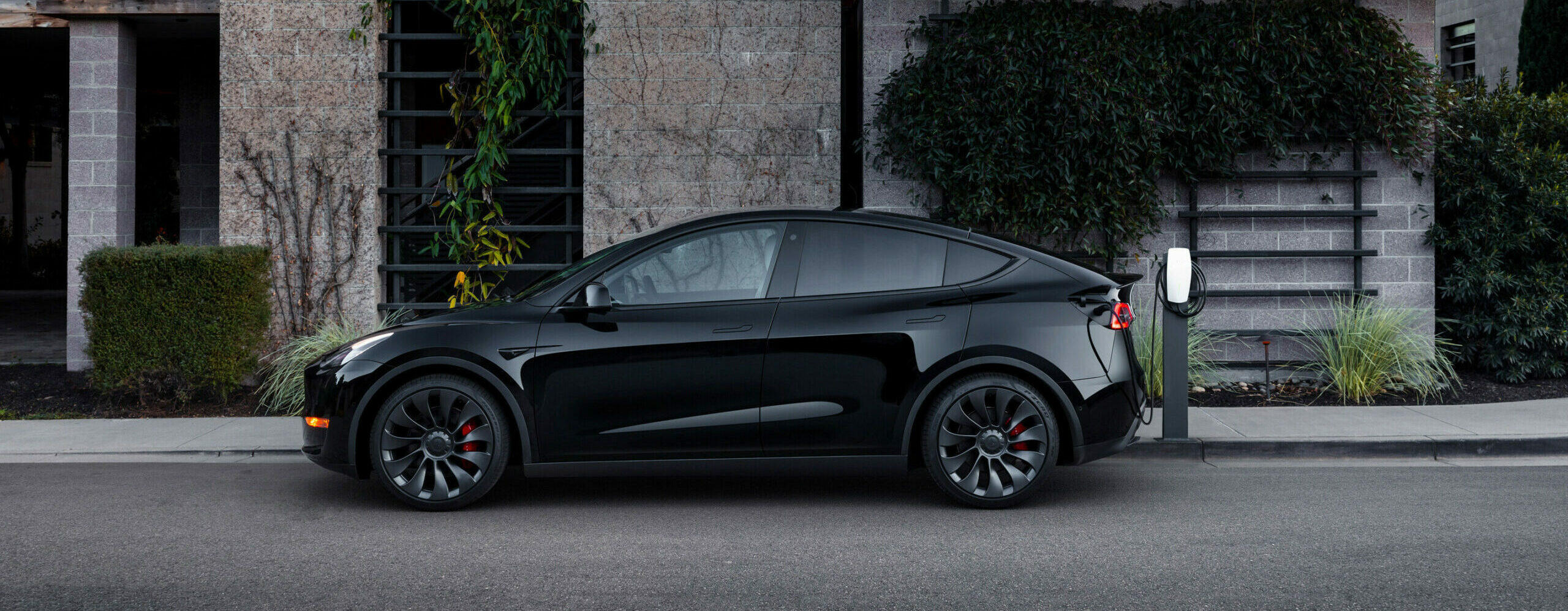
Winter roads: protect your car, your safety — and your time
January can be one of the toughest months for driving in the UK. Colder temperatures, wet roads, grit and hidden ice all add up — and the impact isn’t just safety-related. Winter conditions can accelerate wear on tyres, brakes, paintwork and underbody components, which matters even more for higher-value vehicles.
Below are a few simple steps to reduce the risk of an accident, avoid breakdowns, and keep your car looking and performing its best. A few of these suggestions may seem obvious, but when driving conditions change quickly, it’s often the basics that make the biggest difference. We hope these tips provide a useful reminder for safer and more carefree winter driving.
Winter driving isn’t just slower — it’s different
Even if you’ve driven for years, winter surfaces behave differently. The key is driving in a way that protects grip.
A surprising stat to keep in mind;
The Highway Code warns stopping distances on icy roads can increase by up to 10 times compared with dry conditions — meaning the gap you normally leave may not be enough.
Best practice:
- Brake earlier and more gently
- Avoid sharp acceleration
- Leave more space (especially on motorways where speeds are higher)
Many luxury and sports models are rear-wheel drive and often sit on wider performance tyres — which can lose traction faster on cold surfaces. Driving smoothly helps stability systems work effectively.
Tyres: the #1 cause of winter breakdowns
Tyre issues are consistently reported as the most common cause of winter breakdowns in the UK, and the number of tyre-related breakdowns rose again year-on-year according to recent winter data.
Quick January tyre checklist (takes 60 seconds)
- Pressure: check weekly in colder weather (temperature drops reduce pressure)
- Tread depth: legal minimum is 1.6mm, but grip worsens well before this
- Sidewall damage: look for bulges or cuts — especially with low-profile tyres
Winter tyres aren’t just for snow
Many drivers assume winter tyres are only useful in snow — but most of their benefit comes from temperature, not snow.
Michelin and other tyre manufacturers recommend winter tyres once temperatures fall below 7°C, because summer tyres begin to stiffen and lose grip.
Winter tyres can help with:
- Shorter braking distances
- Better grip in cold wet conditions
- Reduced risk of aquaplaning
If you don’t want to swap tyres seasonally, all-season tyres can be a strong compromise for UK winters — particularly for drivers doing regular commuting miles.
Road salt: the hidden factor that damages cars
Gritting keeps roads safer, but salt is highly corrosive — particularly on:
- Brake components
- Suspension arms
- Alloy wheel finishes
- Underbody panels
Studies estimating the cost of corrosion linked to de-icing salt have put it in the tens of millions of pounds per season when applied at scale, showing how significant salt damage is nationally. starconference.org.uk
The easiest protection:
Wash your car regularly in winter — especially wheel arches and underbody
Don’t forget alloys (salt + brake dust is a harsh combination)
Tip: If temperatures are sub-zero, wait until the next warmer day to wash — otherwise water can freeze in seals and locks.
Battery + electronics: winter’s most common “no start” problem
Cold weather reduces battery performance, and modern cars draw more power than ever — alarms, trackers, keyless entry, remote apps, heated seats and screens.
Avoid being caught out:
- If you do short trips often, consider a monthly longer drive
- Keep a jump pack in the boot (they’re now very compact)
If parked for long periods, a trickle charger can protect battery health
Plan ahead for winter journeys (and avoid the preventable)
A few minutes of preparation can save hours of inconvenience.
Before you set off:
- Check the forecast
- Fully clear windows, mirrors and lights
- Keep washer fluid topped up (winter-grade)
Keep a winter kit in the car:
- De-icer + scraper
- Blanket / gloves
- Phone charging cable
- Water + snack
- Torch
- Jump leads or portable jump starter
Final thought
Winter driving doesn’t have to be stressful — a few small changes can make your journeys safer, protect your car’s condition, and reduce the risk of breakdowns during January’s toughest conditions.
Wishing you safe and smooth motoring this winter.
Considering your next prestige, sports or classic car?
Our experienced team is on hand to provide tailored finance solutions, built around you.
You can get in touch with us either by calling 0800 012 6666 or online by clicking here.
Make sure you follow us on Instagram, LinkedIn and Facebook to keep up to date with what’s happening in the market and to see some stunning photos and videos of the amazing cars we fund.