Car Makers Changing Their Minds On EV’s
When the ZEV Mandate was announced back in January 2024 the automotive industry was awash with news of manufacturers announcing their plans for a fully electric future. In order to meet the targets and fall in line with the (then) 2030 purely combustion driven vehicle ban and the 2035 hybrid ban, brands had to make plans as to how they would update their ranges accordingly.
Many put forward a plan to ensure that their line ups would be fully electric in plenty of time, while others would try to explore their combustion and hybrid powerplants right up to the deadline in order to make the transition as smooth as possible for their customers. What wasn’t anticipated however was what followed.
As is the way with many things, it is the general public who can force the hand of what companies decide to do with what they are actually willing to buy. In the case of the switch to fully electric vehicles however, this has hit a bit of a stumbling block. It didn’t matter how good the available EV’s were or how much the manufacturers tried to produce the type of car they thought their customers wanted, demand has simply not lived up to expectations.
What’s Going Wrong?
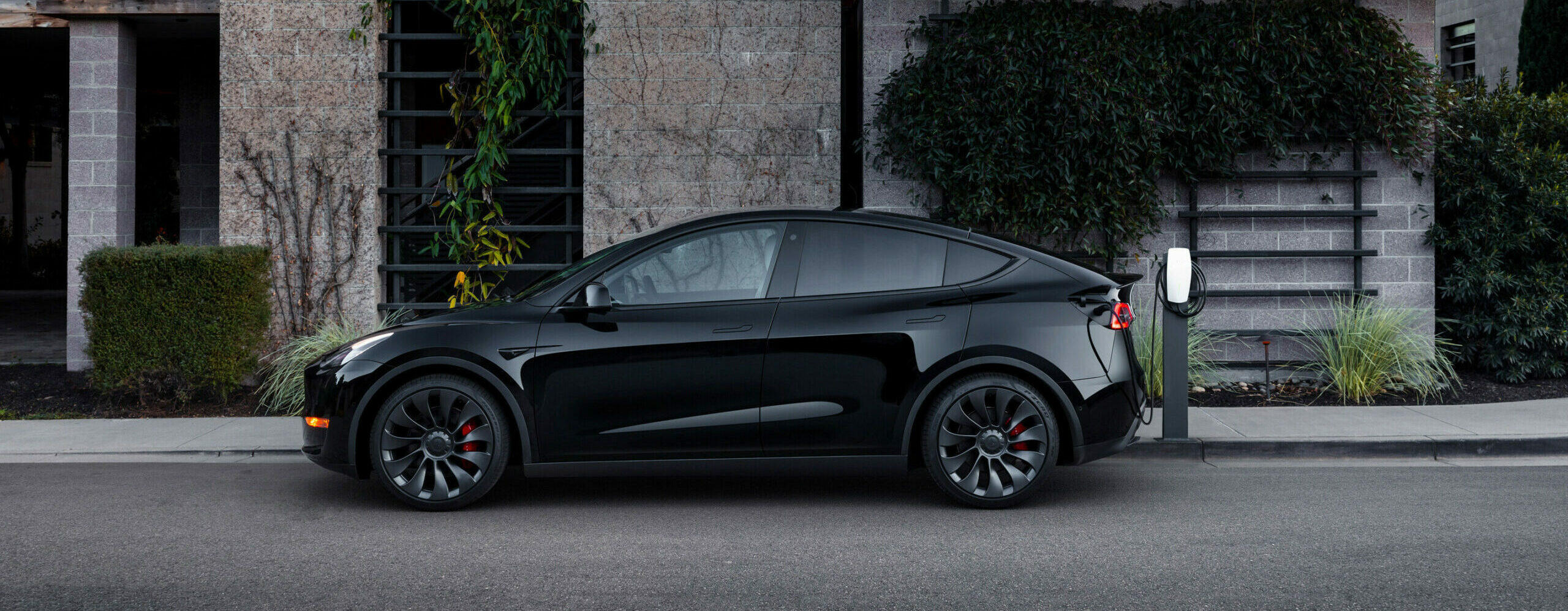
There are many reasons for this. Lack of confidence in the charging network, expense of new EV’s combined with lack of available grants and incentives, plus the fact that many simply do not want an electric vehicle. Even Oracle Car Finance customers have shown their reluctance, with just 5.6% of vehicles we funded last year being fully electric.
The whole point of being a car manufacturer is to essentially sell cars. With so much investment in developing and producing vehicles the money needs to be recouped with big sale numbers in order to break even, never mind make a profit. If a particular model or type of vehicle isn’t selling, something has to be done or that company is going to struggle to remain in business for very long.
So with sales of EV’s not matching initial expectations, many car manufacturers have been understandably reassessing their plans for the next few years. Schedules for full EV line ups, or even some brands’ first fully electric models, have been pushed back further and further. However, some car makers have recently announced even more drastic plans.
Porsche
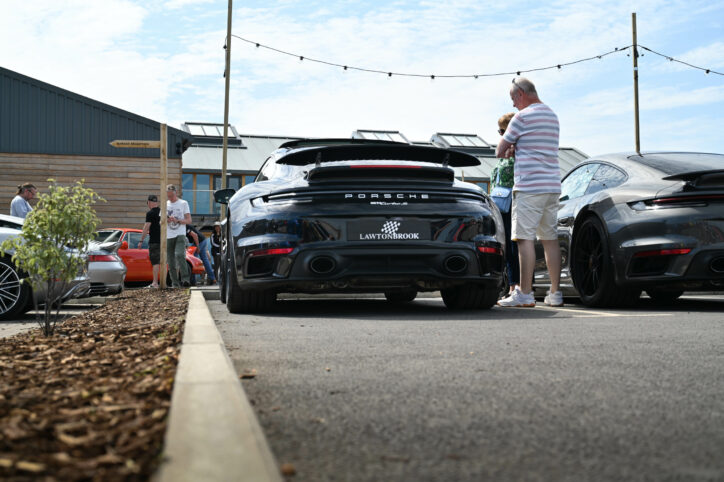
If any of the mainstream manufacturers had made a solid start to their EV models it was Porsche. The Taycan was introduced well before most other brands and before any mandate had been introduced and showed that they could produce a mainstream model that was great to drive, performing just like a Porsche should. On the back of this success their latest generation Macan was also announced as an EV only model and their new 718 Boxster and Cayman, due to be announced in late 2025, were scheduled to be the same.
Now if any brand has loyal customers who don’t particularly like change, it is Porsche. Especially with their sports cars. When they announced there would be a hybrid 911 the fans went into meltdown, until they saw that it wasn’t a hybrid as you’d expect. Porsche had simply used hybrid assistance to make the 911 quicker and more powerful. They even unveiled patents for a new type of combustion engine they’ve been working on in the meantime.
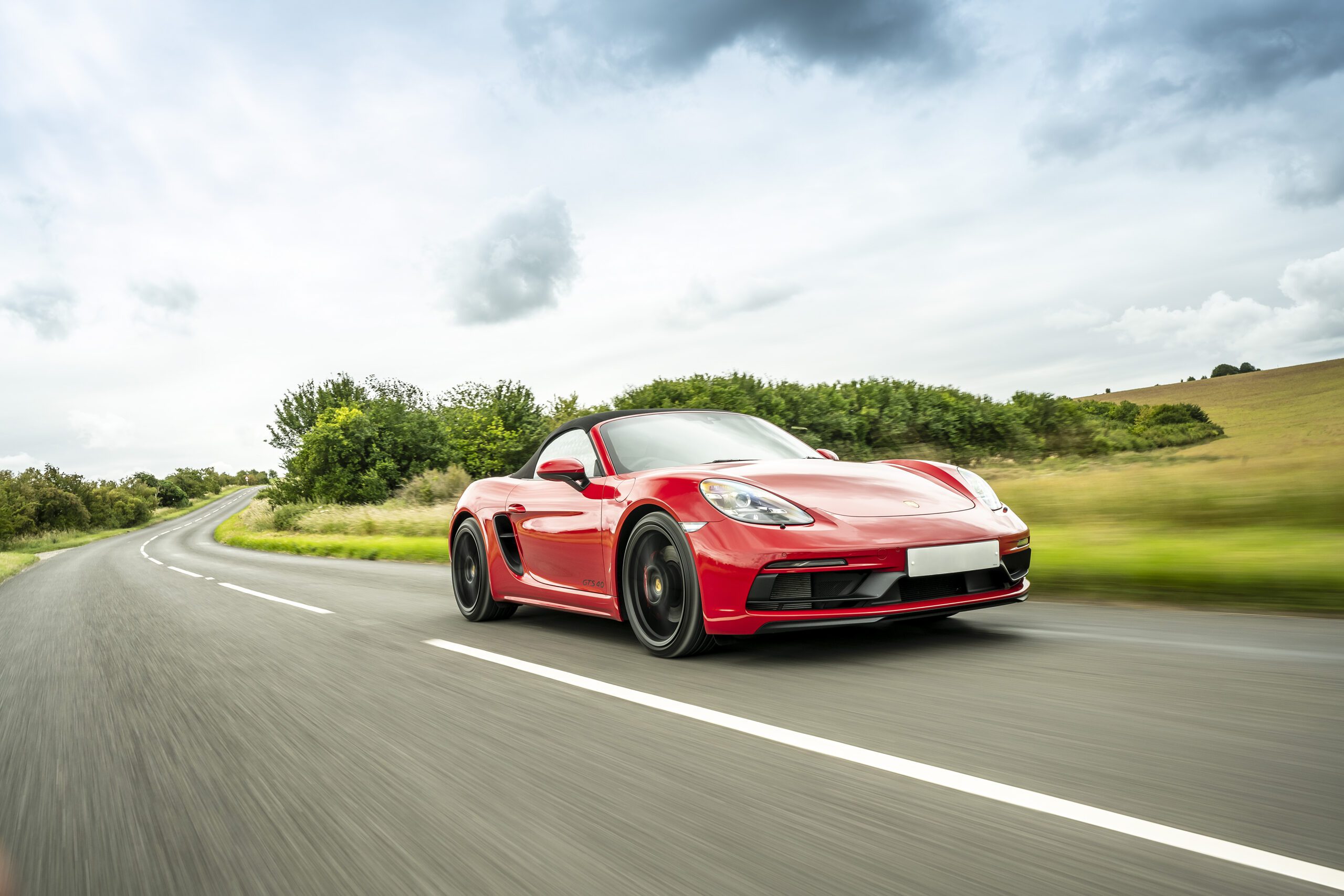
Recently, despite some £2.7 billion of investment and development, they have announced that their combustion engine cars will be available for some time yet. The cost of ploughing ahead with full EV plans is far greater due to the lack of demand that even at that expenditure, it made sense to continue with combustion engine options in order to sell enough vehicles to survive.
Porsche CEO, Oliver Blume, stated that core products such as the 911 GT3 and their range of sports cars define the brand, and that these models will continue to be combustion powered ‘well into the 2030’s’. This will also include at least combustion engine variants available of the 718 Boxster and Cayman, the Panamera, Cayenne and an all new SUV model yet to be unveiled.
Audi (RS6)
Audi are another manufacturer who were well placed to make the eventual switch to EV power. They had a shuffle around of their number nomenclature to make way for their plans, then changed it back again. Despite offering both powerplants, their new A6 was the beginning of big EV plans. The only problem with that was that the new A6 range would include their performance flagship model, the RS6. Up until now the RS6 had been loud, fast and very much V8 and even at one-point V10 powered, and fans were worried that an EV RS6 wouldn’t quite be the same.
Concept images had been shown of the all-electric forthcoming RS6 for some time and their 900hp RS e-tron GT showed promise as to what to expect when it did arrive. Except now it isn’t going to. Despite there already being an S6 e-tron that offers 543hp, Audi insiders have admitted that the RS6 e-tron won’t be being built. Not in the fully electric sense anyway.
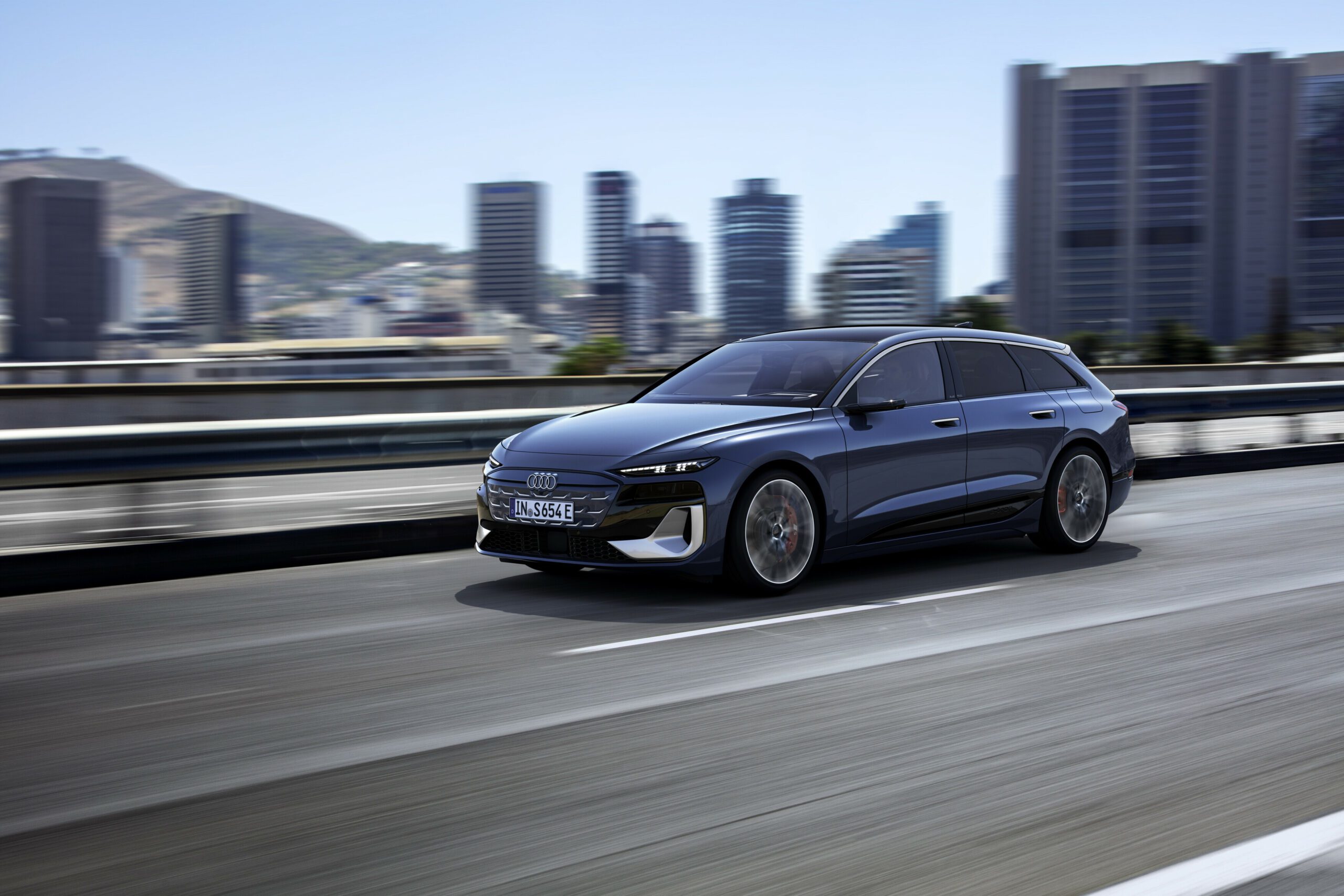
The reasoning is that there just isn’t the demand from RS6 buyers and that financially it wouldn’t make any sense. So, does this mean that the RS6 will be no longer? No, because the A6 is also available as a combustion engine car. Also, with Audi being part of the vast Volkswagen group, they have access to hybrid powertrains from Porsche, Bentley and Lamborghini. So much like the current hybridised M5, expect a similar form of RS6 in the not too distant future which may still contain a rumbling V8.
Lamborghini
Lamborghini have long teased the possibility of a full EV to their line up. Again, as a member of the Porsche/Audi/VW group they don’t exactly have a shortage of possibilities with how much power or what sized vehicle they would prefer. In 2023 they showed off their likely fully electric concept in the form of a more sleek coupe-like Urus sibling, the Lanzandor. This was originally planned to be in production by 2028, then put back to 2029, and now, who knows?
With their full line up now being offered with hybrid power in the form of the Temerario, Revuelto and Urus, the Lanzandor was meant to be the first EV followed by the electric Urus replacement. Lamborghini boss, Stephan Winklemann, has said however that the Urus replacement will again be a hybrid. So who knows where that leaves the Lanzandor or any plans for fully electric model.
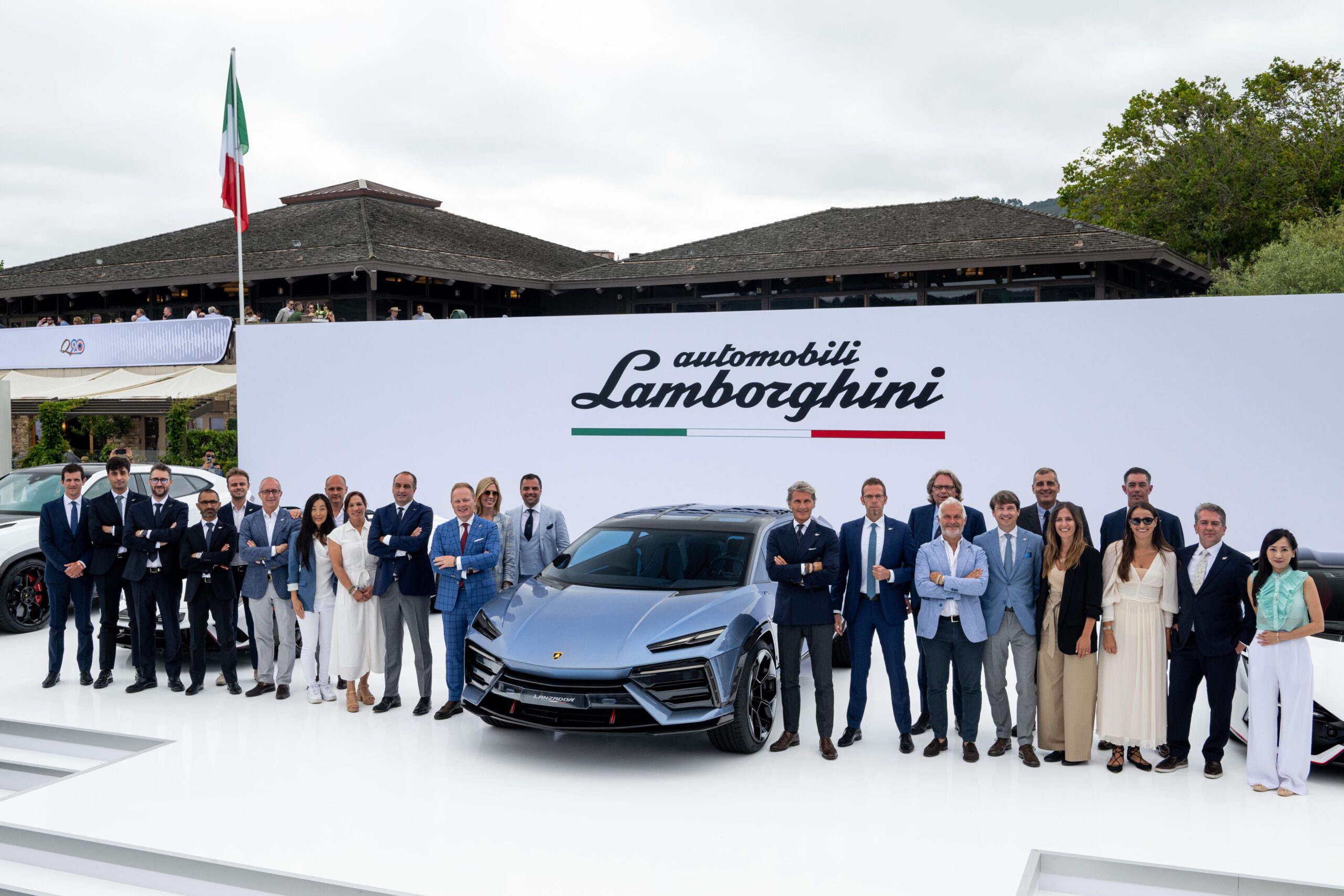
One thing is for sure, Lamborghini, like many others, are happy biding their time to see what happens. Not just with the demand for EV’s, but whether the rules are going to be revised to fall in line with the lack of demand. What is also interesting is how much they also discuss sustainable fuels in their future plans. The elephant in the room, especially for UK regulations, but surely if it is possible to produce on a bigger scale at a reasonable price, the answer to ‘petrol heads’ everywhere.
Aston Martin
There aren’t many car makers who have gone on a product overhaul in such a short space of time like Aston Martin have. In the past couple of years they have launched a new DB12, Vanquish, Vantage, revised DBX, Valkyrie, Valhalla as well as a scattering of special limited editions like the Valour. With so much going on you’d think they were rushed through to production and not had time to think things through. Quite the opposite.
The latest Aston Martin models are markedly better than the ones they have replaced and for the all new models pushing the boundaries of the brand further than ever before. More refined, more capable, more powerful and more bespoke creations than ever before, an Aston Martin these days is certainly a thing of beauty and fantastic to drive. Perhaps the only issue is then, that other than the limited production Valkyrie and Valhalla hypercars, the rest are purely combustion engine driven. Not just any combustion engines either, big powerful V8 engines and a twin-turbocharged V12 in the Vanquish.
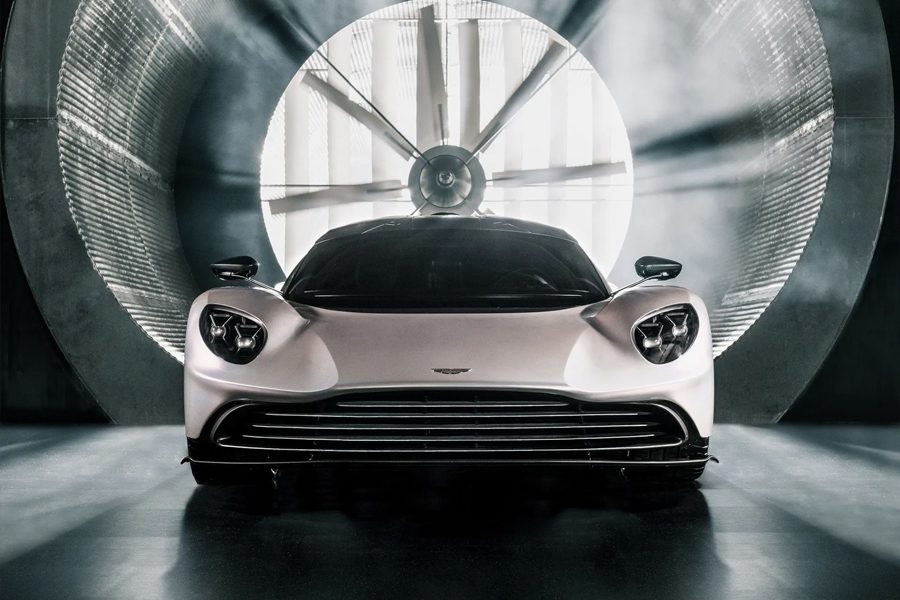
This means Aston Martin would have some work to do in order to realign their whole range yet again in time for the upcoming deadlines. Their initial plans of 2025 that then became 2027 for their first full EV, never mind the introduction of a hybrid, looks wildly optimistic now. Much like many of their engines are derivatives of Mercedes’ AMG powerplants currently, the brand has a deal in place to use American pioneering EV manufacturers Lucid’s electric motors, battery control systems and inverters.
Even with that arrangement in place, to offer an all-new electric vehicle to a line up that has only recently arrived would be a mixed message to current buyers and new customers. As a result, Aston Martin boss Adrian Hallmark has said that this won’t happen until 2030 at the least. They are also undecided whether to create all-new model or hybridise an existing model and are stalling on making any decisions anytime soon.
Ford (Mustang)
In the past few years, Ford have created a number of electric models, from the Mustang Mach-E and Explorer to the Puma and Capri. A coincidence that these models all use nostalgia and familiarity in their naming? Perhaps. Whilst for many the Puma and certainly Capri naming is sacrilege to models from the brand’s past, it was the ‘Mustang’ part of the Mach-E was the most unforgivable. Ford purists and muscle car fans were hoping it wasn’t a sign of things to come.
Recently, Ford CEO, Jim Farley, has calmed those fears by stating that the Mustang will remain combustion powered for some time yet and even went as far as saying ‘there will never be a Mustang EV’. The Mustang is the best-selling sports coupe in the world and in the past 12 months has sold more around the world than it did in its home market of the United States, so they have a lot at stake if they mess things up.
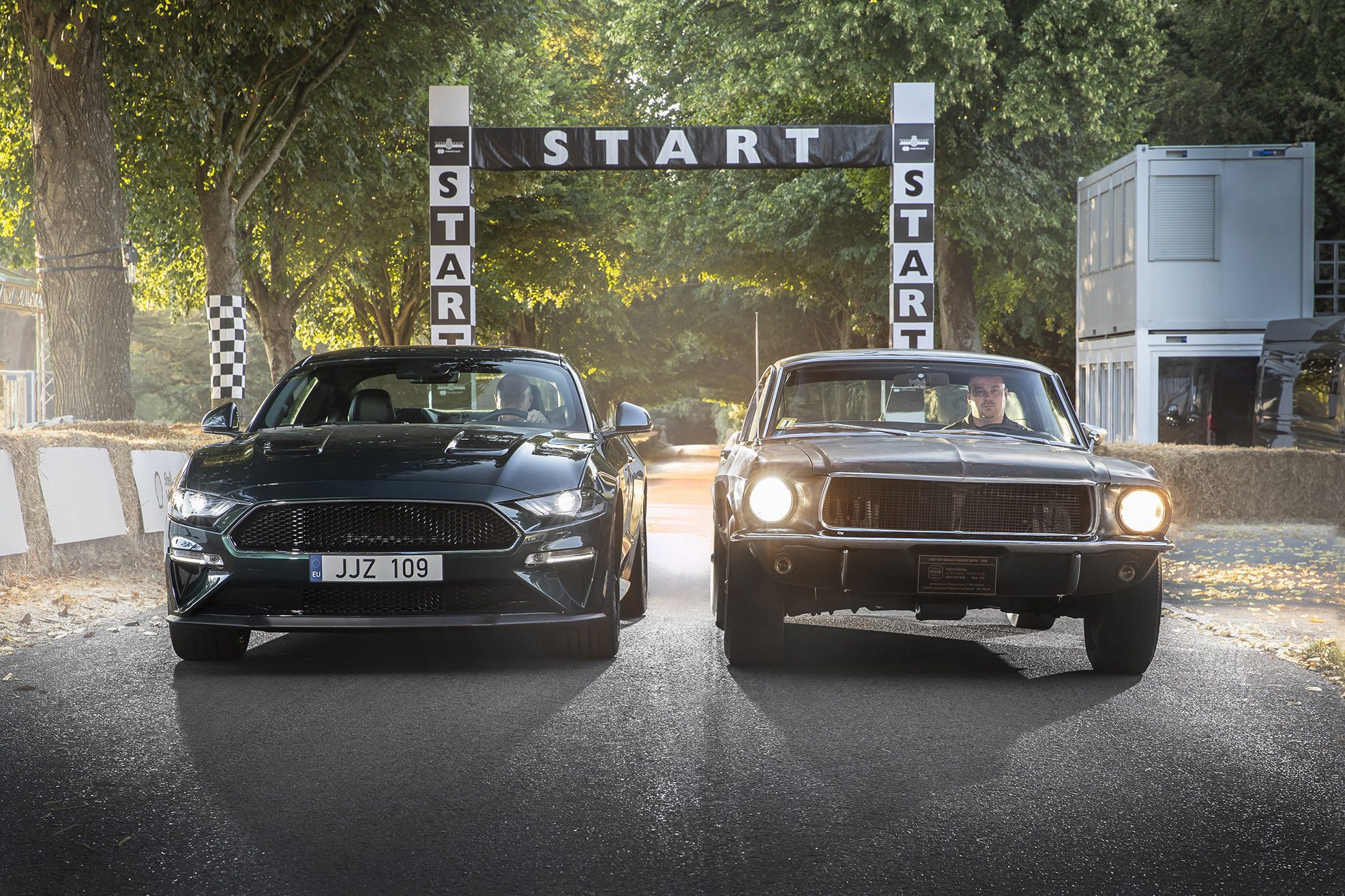
Whether that means that the Mustang’s days are effectively numbered once a combustion ban comes in to force remains to be seen. But it is refreshing to see that the boss of a major manufacturer is refusing to budge on the ethos and history of a particular model and the passion if its following. So whilst Ford may be considering electrifying the rest of their range, you can be sure the Mustang won’t be joining them any time soon. Or their biggest selling vehicle of all time for that matter (see below).
Toyota (GR range)
In 2001 when car manufacturers were announcing plans to seemingly electrify anything that moved, there was unexpected trepidation from one of the biggest names in the hybrid vehicle market, and indeed the motor industry, Toyota. The ones that brought hybrid motoring to the masses with the Prius brought to light a fact that many seem to have misunderstood about the move to electrifying the entire motor industry. Toyota Chairman, Akio Toyoda, rightly claimed that ‘Carbon is our enemy, not the internal combustion engine’. He makes a good point.
He knew from the very outset that in order to keep the auto industry afloat, a diverse mix of hybrids, hydrogen power and electric vehicles is surely the best approach. A fact that is looking all the more relevant as many brands struggle with which direction to follow in order to remain in business.
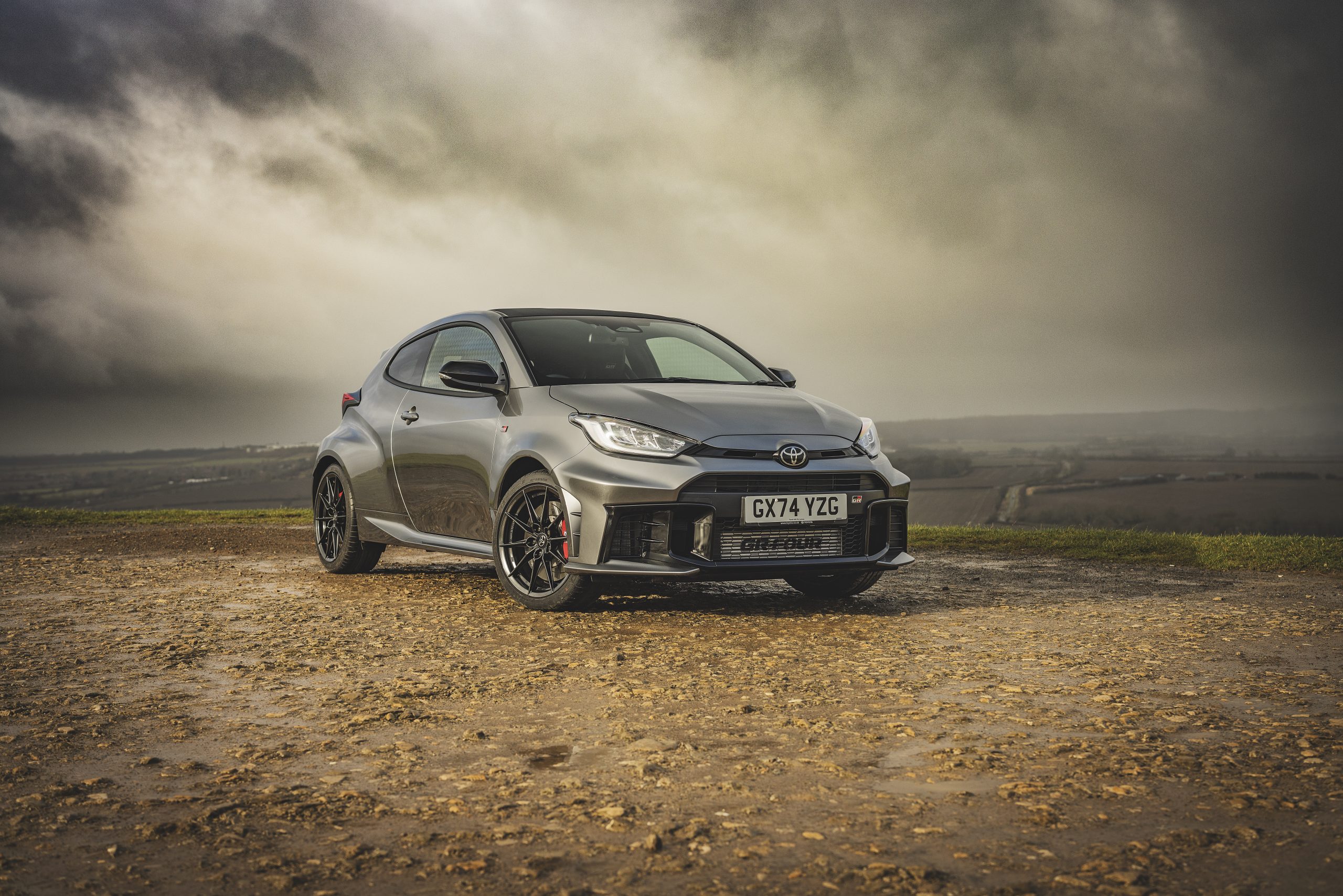
So, whilst they have announced they plan to have no fewer than 6 fully electric models on sale in Europe alone by 2026, their performance cars are seemingly going in the opposite direction. Toyoda, who has had a long time philosophy that the company will make ‘no more boring cars’, has stated that the highly popular Gazoo Racing, or ‘GR’, line up will not include an electric powerplant in the near future.
In fact, the GR performance arm of the company are investing in developing a different breed of hybrid that is aimed at outright performance rather than boosting economy. Using the electric motor to increase power and produce instant response isn’t uncommon, Porsche do the same with the 911’s t-hybrid system, yet it is refreshing to see from a company usually so focused on reducing emissions and improving fuel economy. A more powerful and punchy GR Yaris in the near future? Who’s going to complain at that one.
America (Pick ups especially)
America is a proud nation and they know what they like and what they don’t like. Seemingly EV’s are what they don’t want. Excluding home-built Tesla models and the fact that there was (until recently) a $7,500 grant for those looking to purchase an EV, they don’t seem to be too interested in buying one at all.
Their fascination for V8 engines runs deep with their cars, especially when their fuel prices have traditionally been low enough to not care too much about fuel consumption. Also, for a nation where pick-up trucks make up 20% of all the vehicles they buy, it is difficult to convince buyers to abandon that way of life.
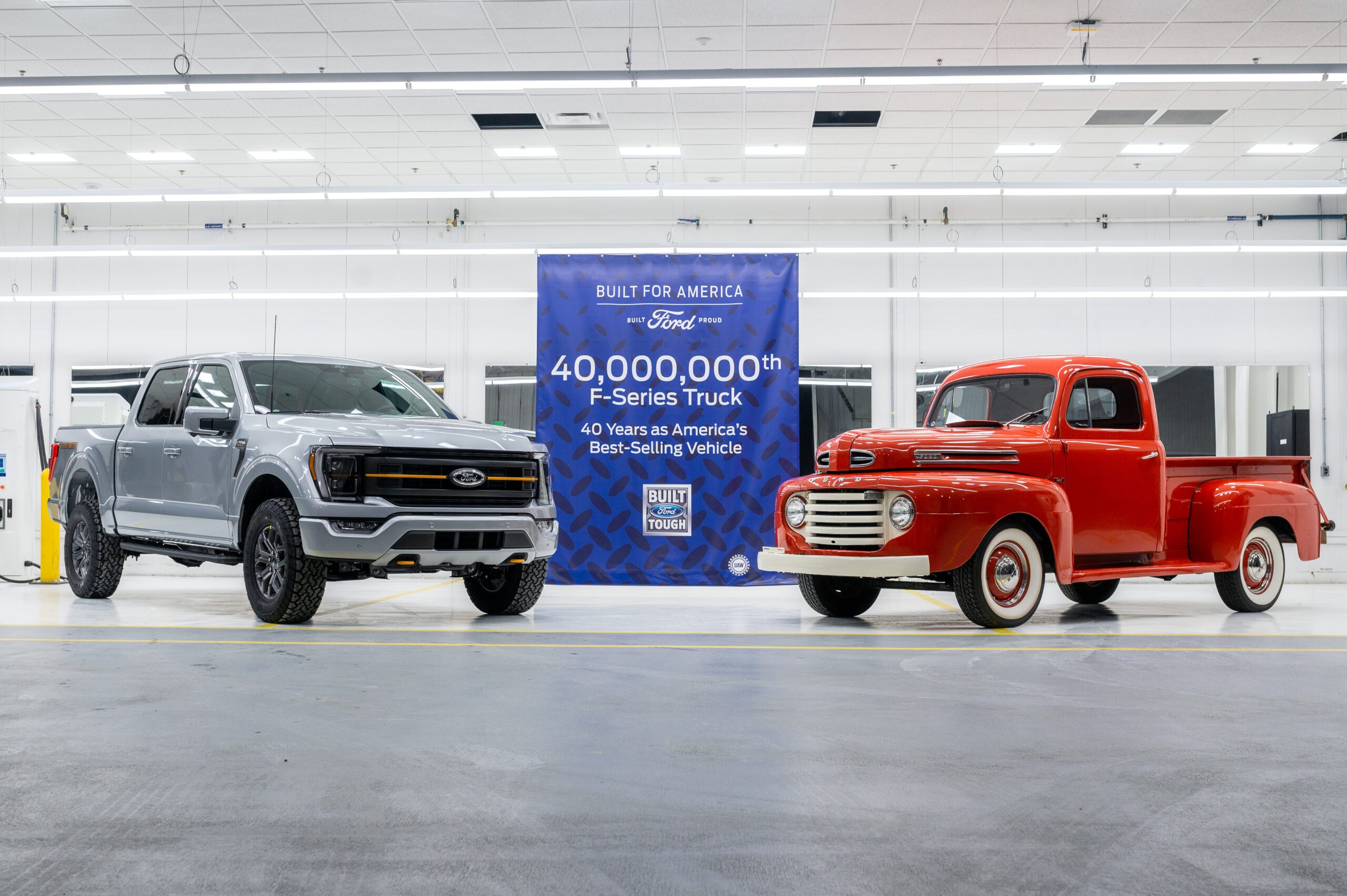
In fact, despite concept teases for years and a recent production vehicle reveal, popular pick-up truck maker RAM has only last month completely cancelled their fully electric ‘Ramcharger’ model. Owner Stellantis stating that they are reassessing their product strategy thanks to a further fall in demand for full-size EV pick-ups. Despite Ford being the major player in the pick-up truck market, with over 40 million sold in the US alone, even they are playing it semi-safe with their first EV pick-up scheduled to be a mid-size budget version, and not till 2027.
Despite many emerging brands and the fact that Tesla led the way for any years across the pond, there is certainly a long way to go until the US embraces EV technology as a way of life any time soon. Despite the current targets of 50% EV sales by 2030, last year’s figures for EV share of the market was just 10%, expecting to grow to just 11.1% this year.
Lotus
Perhaps the biggest back tracking however has been from sports car brand, Lotus. When the Emira was announced in 2021 it was going to be a final swansong for the combustion engine from the famous British brand from Hethel. Itself a slightly different direction for the brand with its focus on luxury and refinement, but nothing compared to its other plans.
The brand was to be fully electric by as early as 2027, much earlier than many other car makers, and despite its history of stripped out lightweight sports cars, would have a line up including a hypercar, SUV and luxury saloon. For fans of the brand it was an abomination yet a bold future direction that would bring their vehicles to more new customers than ever before.
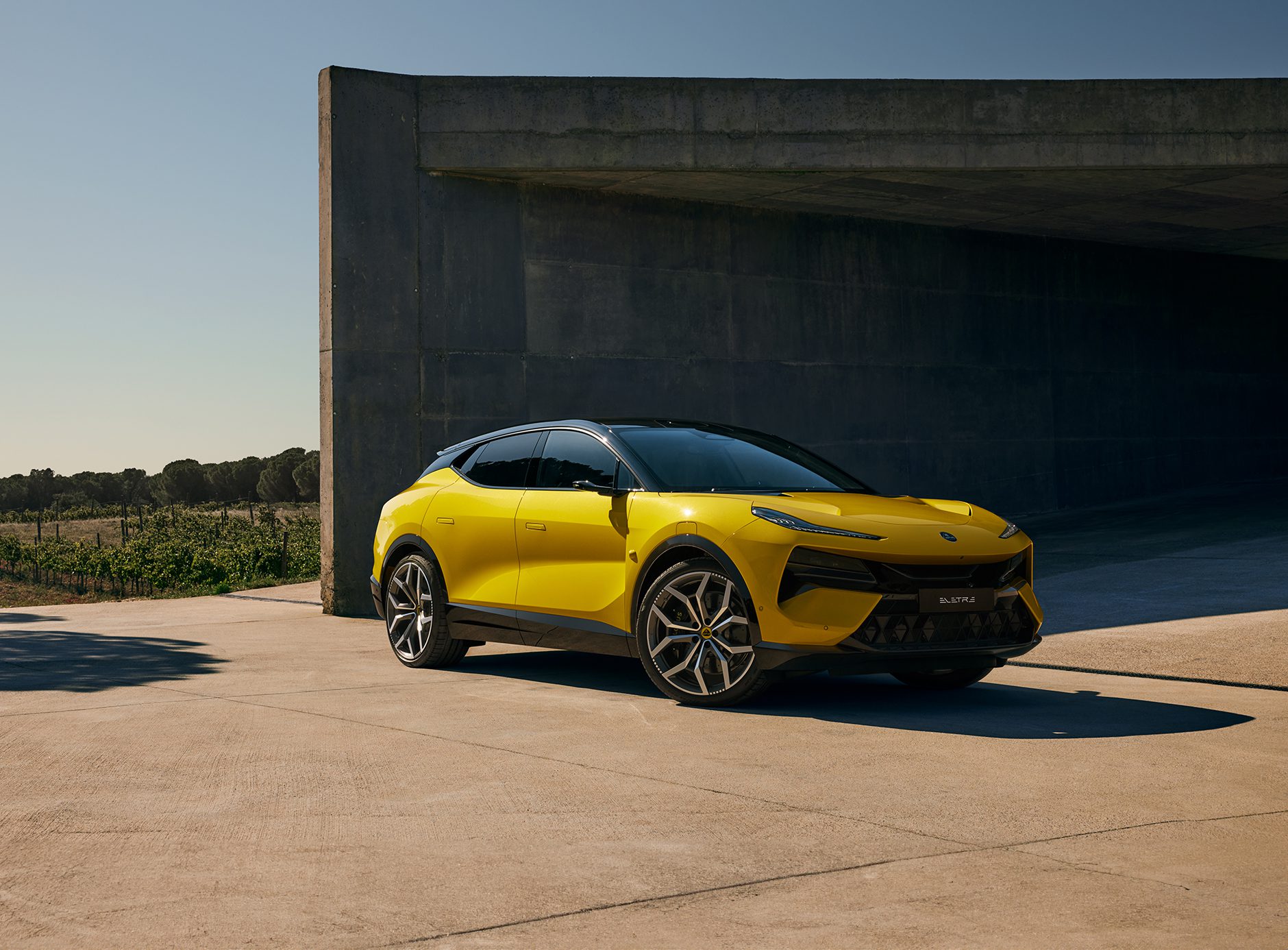
Their ambitious plans have not all been fantasy though. The luxury SUV Eletre has been on sale for a few years now, the luxury saloon Emeya joined it late last year and the Evija hypercar has been delivered to at least some customers by now. Whilst all three cars are impressive for what they are, the rebrand by Chinese owners Geely seems to have created confusion between loyal supporters and potential customers alike.
As a result, sales have not matched their ambitious targets and parent company Geely are having to react to the lack of demand for electric vehicles. Their plan is to offer the same luxury vehicles yet adapt them to offer ‘hyper’ hybrids with the familiarity of the combustion engine hopefully providing more reassurance to potential customers.
Car Finance However It Is Powered
No matter the time of year, our expert team have over 20 years’ experience in sourcing tailored car finance products, from new or pre-owned cars, private vehicle sales, auction cars and even racing cars. Whatever type of car you’re looking for, you can get in touch with us either by calling 0800 012 6666 or clicking here.
With 3,000 Trustpilot reviews and five-time winners of the Best Specialist Car Finance Provider award at the Car Finance awards, and having provided over £2.25 billion of funding for our customers and counting, you too can find out why thousands of people trust us time and time again to find a smarter, tailored funding solution when looking for your next dream car.
Make sure you follow us on Instagram, LinkedIn and Facebook to keep up to date with what’s happening in the market and to see some stunning photos and videos of the amazing cars we fund.