Complete Depreciation Roundup
With the number of used car sales rising to its highest level in 5 years, signalling a return to pre-pandemic levels, the value that a particular make, model or type of car retains is perhaps more relevant than it has been for a while. With the number of vehicles becoming available on the market on the increase and the fact that pricing is more competitive than it once was, you want to make sure that you are in the best position in terms of value when it comes to selling or buying a vehicle.
Previously we have taken a look at what exactly is depreciation, how you can potentially take advantage of depreciation, and what models depreciate the least. So in our complete depreciation roundup we thought it would be useful to summarise not just the best and worst performing makes and models, but also how fuel type, body style and even colour can affect the depreciation of your vehicle.
Using data from vehicle valuation experts Brego, and the industry standard benchmark of vehicles that are 3 years old and have covered an average of 36,000 miles, just how do certain factors you might not have thought of affect how much value a vehicle loses over that time.
Brands
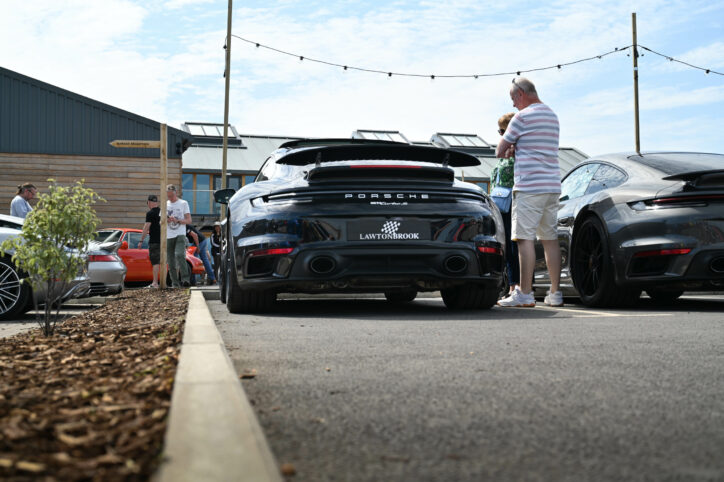
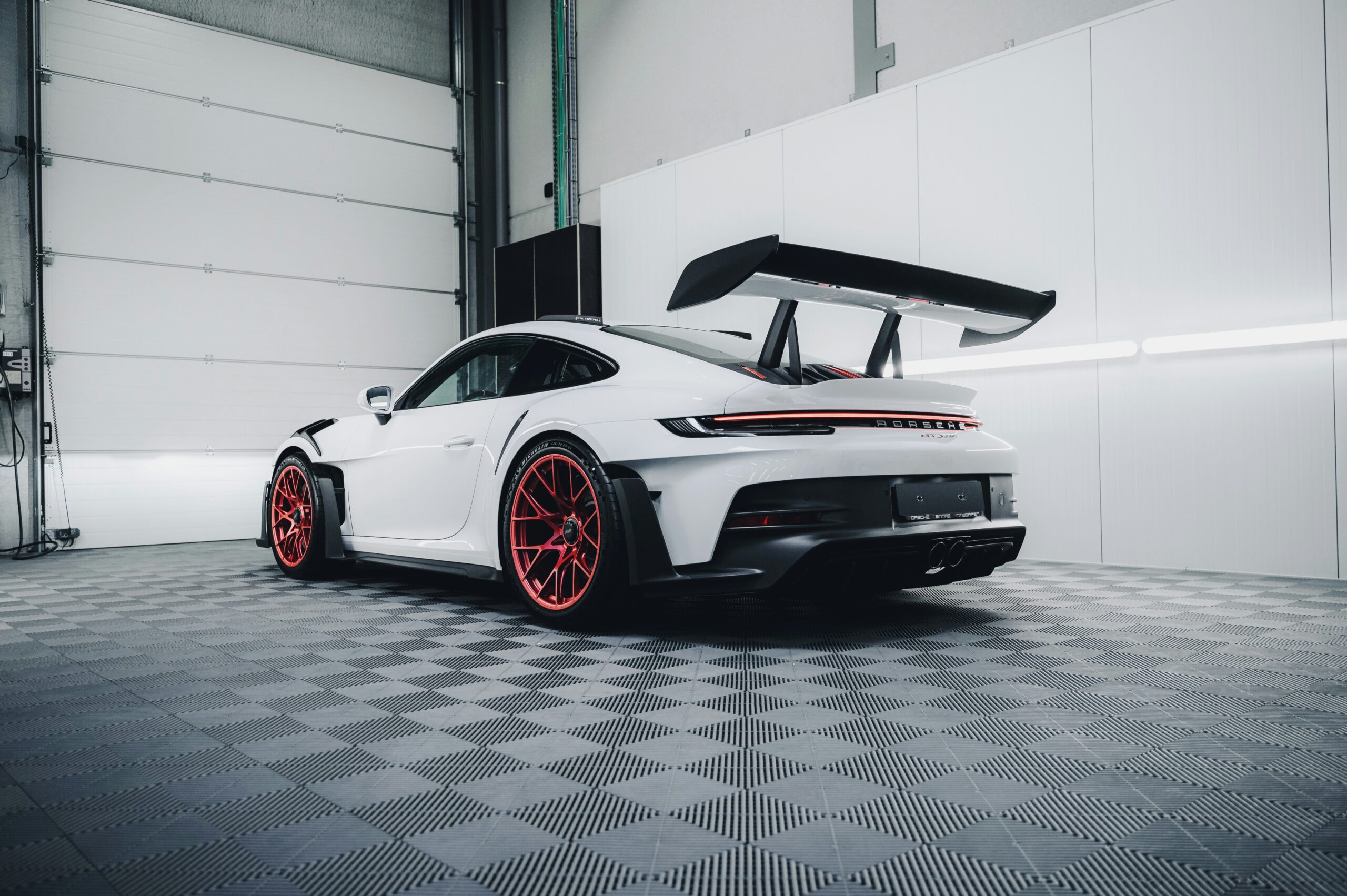
Of the prestige brands there has traditionally been one particular manufacturer who have performed particularly well when it comes to depreciation. It also happens to be the brand that we fund more of than any other for our customers over the years, with this year so far outperforming even last years impressive figures. That brand is Porsche.
So far this year, the data suggests that on average a Porsche will retain over 75% of its value over the 3 years and 36,000 miles, more than any other manufacturer. The appeal of their models for their driving enjoyment, the reliability and quality of their products and the fact that they often outperform their rivals across the board means that the demand for the Stuttgart brand remains strong year after year.
It is the same driving enjoyment and refinement appeal, yet perhaps at a more affordable price point, that sees MINI in a close second place for brands that retain their value the best. With 74.6% average value retained after 3 years and 36,000 miles the popularity of the reborn brand shows little sign of diminishing.
Completing the top 3 is perhaps the most prestigious of all the Japanese brands, Honda. Their seemingly bulletproof reliability, fastidious build quality and boundary pushing technology ensures that the manufacturer’s appeal and desirability means values remain strong. The average value retained for the Honda brand is 73%, a very impressive performance for the often heralded car maker.
So what about the other end of the scale? Which premium brands are currently seeing the biggest falls in residual value? Although this means they are potentially causing some concern for those buying the cars brand new, can also mean that those looking for a pre-owned example can find nearly new or 12 month old examples for a fraction of their original price.
At the top of the table and the only brand seeing less than 50% of their value lost after 3 years and 36,00 miles is Citroen sub-brand, DS. With just 47% residual value retained after that period, the Stellantis owned premium French manufacturer sees the biggest average drop in value of all manufacturers.
Next on the list in second place is Swedish premium electric brand Polestar. The sister company to Volvo, it is no surprise to see a manufacturer that only makes electric vehicles high on the list considering the much talked about depreciation drop for EV vehicles. At 50.4% of the value retained after 3 years and 36,000 miles, it is perhaps the uncertainty for the future of the brand that is causing the drop in residual value. Often considered one of the most accomplished and impressive of the EV car makers, it is certainly not the quality and the appeal of the product themselves that would cause the poor depreciation performance.
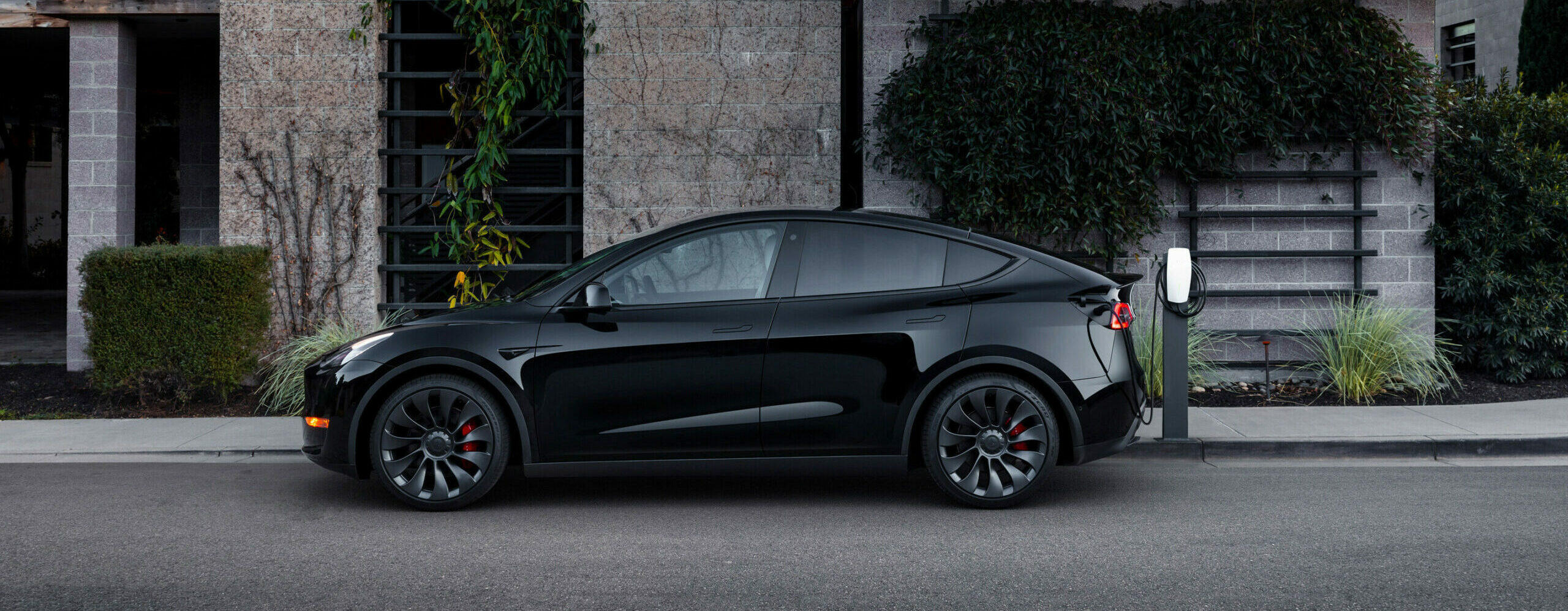
Next of the premium brands to make the top 3 is fellow EV car maker Tesla. The appeal of the once seemingly untouchable Tesla brand is only partly due to the quality and refinement of the vehicle themselves not being up to scratch and mostly down to the unpredictability of the much talked about CEO Elon Musk. It is this uncertainty that is always going to affect the values of the Tesla products, and as a result sees the brand retain just 55% of its value after the same time period.
Models
As previously talked about and as shown in our article earlier this year, the Porsche brand has always remained near the top of models that retain their value better than most. The latest statistics from valuation experts Brego shows little change in that fact and shows that the Porsche Macan is the best performing premium model as far as retained value goes. With just 20% depreciation after 3 years and 36,000 miles, the Macan, and in particular the petrol powered model, outperforms all others.
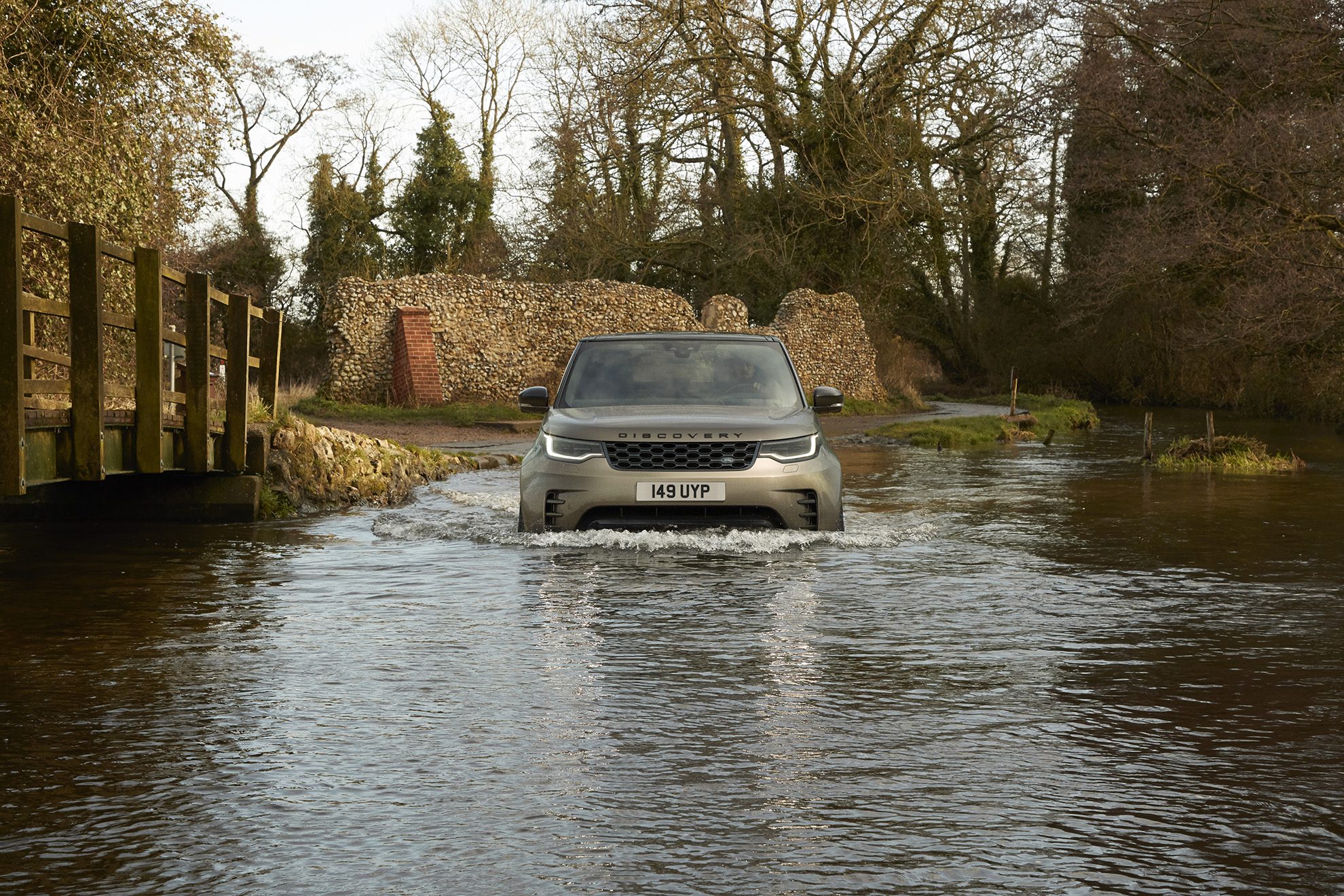
Another familiar model amongst the best at retaining their residual value is the Land Rover Discovery. The appeal for the model is easy to see thanks to its incredibly practicality, its ability to seat 7, its levels of refinement and equipment and the fact that it offers genuine go-anywhere ability. It is this demand that keeps its retained value higher than most, with 76.3% of its value remaining after 3 years and 36,000 miles. One of our most popular models funded by our customers each and every year, the Discovery takes some beating in so many areas.
Rounding off the premium models top 3 is perhaps a bit of surprise based on traditional depreciation factors. A large luxury saloon or high-end SUV are usually a byword for losing their value quicker than most other types of vehicles yet the BMW X7 is seemingly bucking the trend. For a vehicle that has a starting price of £90,000 before options and can easily cost in excess of £120,000 depending on the specification, the flagship BMW SUV manages to retain an average of 75.9% of its value after 3 years and 36,000 miles.
Fuel Type
One of the most talked about factors of EV motoring is the fact that they have a reputation for suffering rapid depreciation, especially in the first couple of years from new. Whilst this was an alarming statistic a few years ago, the fall in values might not be as drastic as it once was. Whether this is driven by the quality and appeal of EV’s in more recent times, the popularity and momentum that EV ownership has become or the fact that owning an EV is a more acceptable lifestyle choice these days remains to be seen.
Whilst it may be improving, however, the electric powertrain still suffers most when it comes to depreciation after 3 years and 36,000 miles. On average a fully electric vehicle retains just 47% of its value after that time period, highlighting a considerable drop for those purchasing a new vehicle yet a potential tempting purchasing opportunity for those looking at a pre-owned example.
Despite many car buyers deciding that a plug-in hybrid is the perfect way to test whether an electric car would be right for their lifestyle, without having to commit straight away, the powertrain sees the next biggest drop in residual value. Current statistics show that the plug-in hybrid retains just 61% of their value over the same amount of time. Perhaps the stop-gap powertrain is no longer necessary with the appeal of the full EV on the increase, whatever the reasoning their popularity seems to be on the decrease.

As an example, the drop in appeal and demand for Diesel powertrains over recent years has been well documented, however a diesel-powered vehicle is some way ahead of both EV’s and plug-in hybrids with an average of 70% of their value retained over the same period.
The appeal and demand of the petrol powertrain remains as strong as ever and as a result so does the average retained value after 3 years and 36,000 miles. Perhaps the impending combustion engine ban and the fact that the number of new fully combustion engine models are starting to decrease means that soon that demand will begin to outstrip supply. Only time will tell. But for now, the fact that a petrol-powered vehicle retains 72% of its value shows that the powertrain remains as popular as ever.
Surprisingly however, it isn’t the powertrain that holds its value the best. At 74% retained value over the benchmark period, full hybrids (those that do not need plugging in) perform the best according to recent Brego statistics. Perhaps the convenience, the lack of reliance on the public charging network and the fact that no cables are involved mean that the demand and appeal of the full hybrid is driving the prices up for now. Maybe it also offers the best of both worlds in terms of the option to choose between your preferred powertrain depending on the conditions or location, whatever the reason, it outperforms the rest.
Body Type
In previous years the initial higher price of a large luxury saloon or premium SUV would be a recipe for a fall when it comes to depreciation. Despite being popular body styles they often topped the list of biggest depreciation falls and offered comparatively very little residual value when compared to safer bets such as a hatchback or sports cars.
These days however the SUV is by far the most popular body style, a fact backed up by Oracle customers, and hatchbacks are not as plentiful or sought after as they once were. As a result, the normal trajectory of a few years ago has been somewhat disrupted by the statistics that are shown today.
In 2025 the body style retaining the most value on average after 3 years and 36,000 miles is the Coupe, at 76%. This could be helped by the fact that the majority of EV’s models on the market, and the most likely to suffer from high levels of depreciation, are either SUV’s or Saloons, with very little in the way of coupes or sports cars.
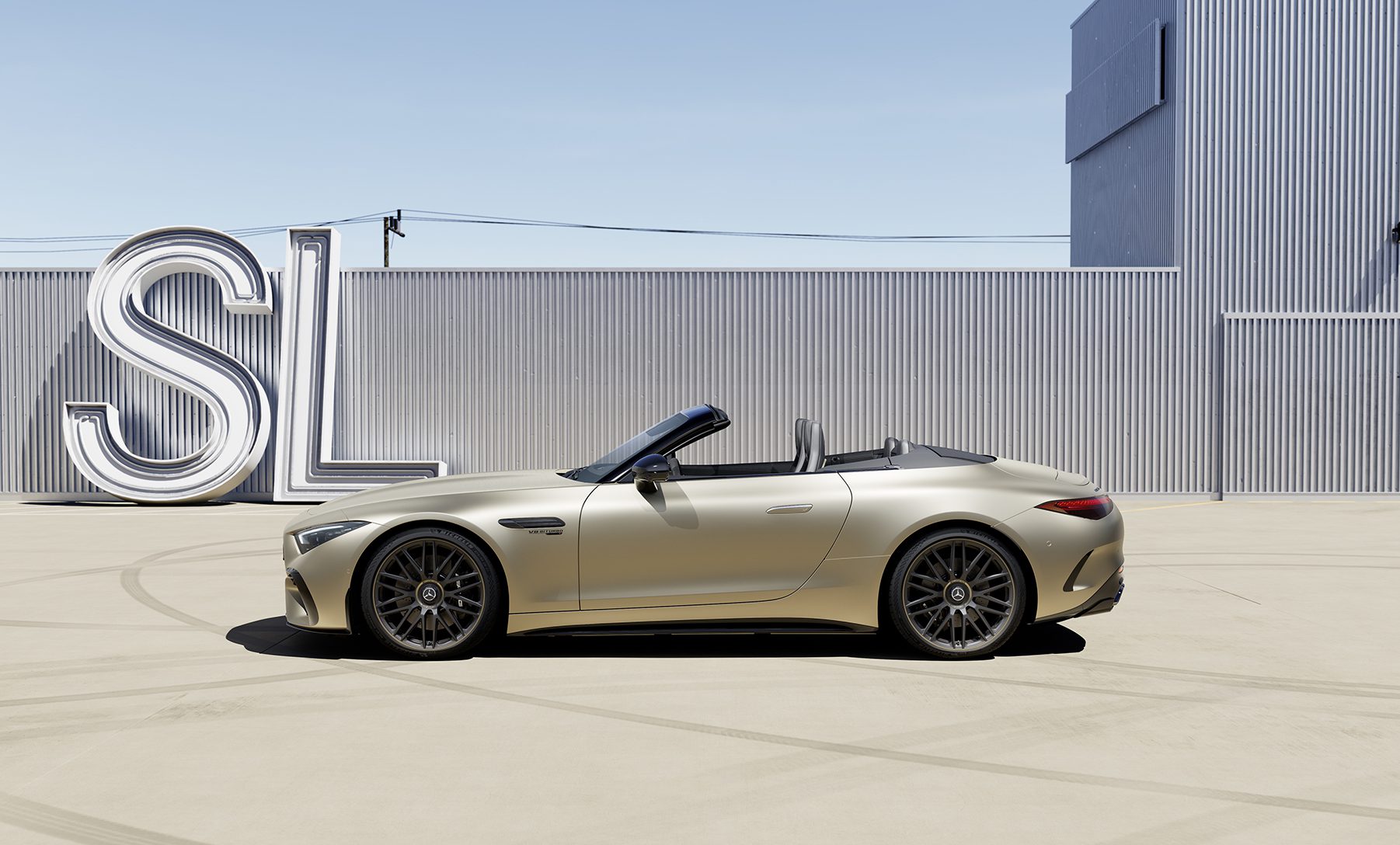
Incidentally this could also be the reason why the Sports Car is the next best performing at 74%. EV manufacturers have seemingly played the numbers game so far in an attempt to produce as many SUV models as they can, by far and away the most popular body style. They have also realised that a lot of the decision to buy a sports car or coupe is the sensation of the driving, and the silent running and additional weight of an EV is not the best combination for driving enthusiasts.
SUV’s complete the top 3 with 71% of their value retained on average, with MPV’s close behind at 70%. The once dependable hatchback has now fallen to fifth best performing with 69% of their value retained followed by 68% for small SUV/estate cars and Saloon cars predictably performing the worst at just 64% of their value retained over the period.
Colour
Who would have thought that colour could play a part in how much a vehicle depreciates during the period you own it for. If anything specialist paint colours and finishes are expected to add value to a car, yet the statistics show that even regular colour choices can make a difference.
Though the difference might not look much in percentage terms, depending on the value of the car, this can mean quite a few thousand pounds either way when it comes time to sell or part exchange. In fact there is a 7% difference between the best performing and worst performing after 3 years and 36,000 miles, which could equate to £7,000 on a £100,000 vehicle.
Traditionally colours such as Silver, Black and Grey were always safe bets when it came to choosing the colour of your car, whereas brighter colours of Red, Green or Orange would be seen as potentially a risk when it comes time to resell a vehicle. Seemingly there has been some change in this in recent times.
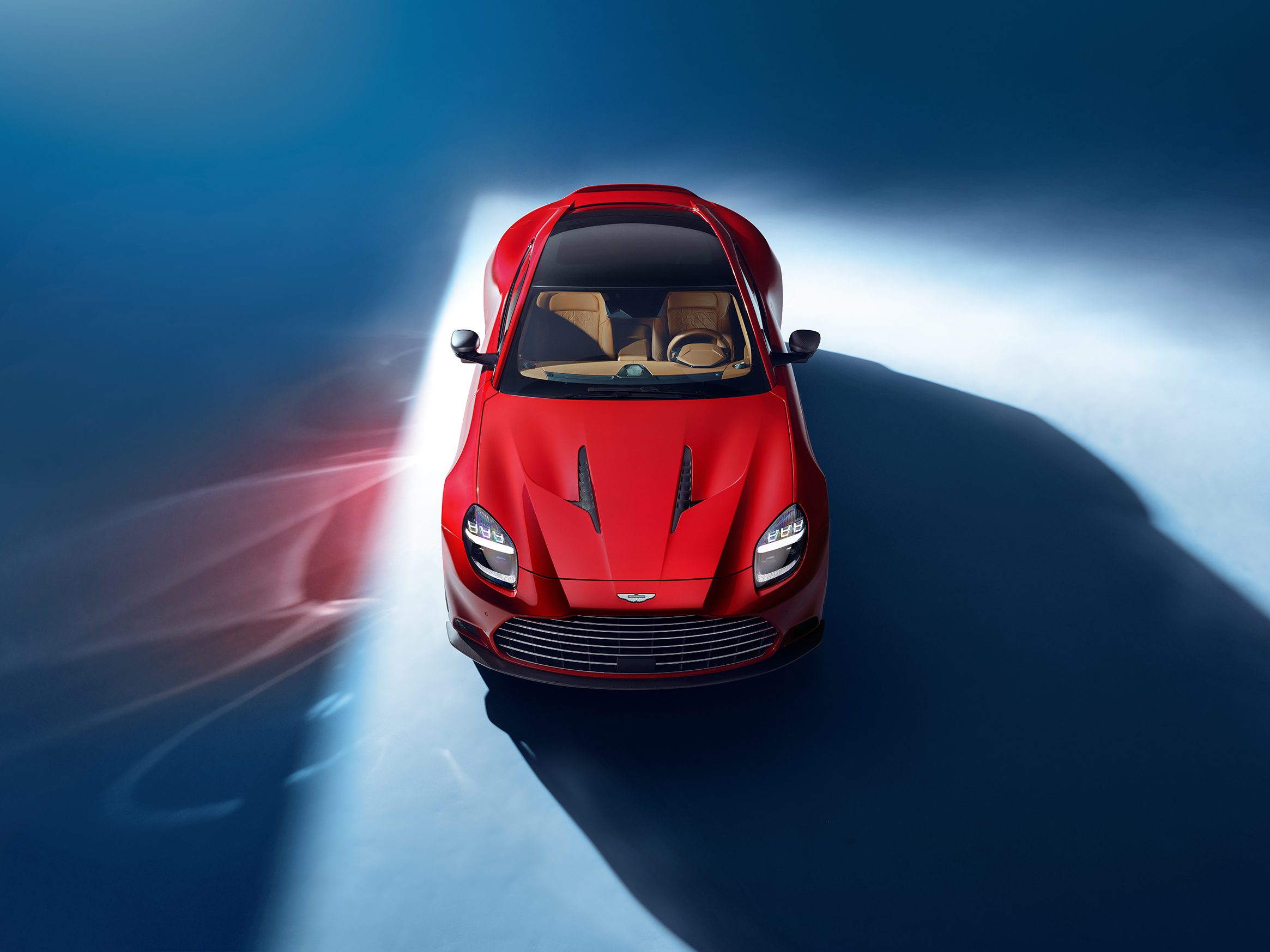
The best performing colour on average is actually Green, a colour that has certainly grown in popularity and appeal in recent years. In fact choosing to specify your car in Green sees an average of 74% of the value retained, a full 2% more than the next best performing shade. Perhaps even more surprisingly, Brown is actually that next colour with 72% of its value retained, followed by White and Silver, both 70% respectively.
Of the rest, Blue, Red, Black and Grey retain on average 69% of their value over the benchmark period, with Orange the worst performing at just 67% of its value retained. So despite the fact it may be a personal choice rather than a financial one, choosing the right colour is something that seemingly can make quite a difference after all.
Oracle Car Finance
At Oracle Finance we have your new car funding sorted, no matter which kind it is or what age it may be. Our expert Account Managers use our panel of specialist lenders to help you to find the perfect package, bespoke to you and your circumstances. Our team are always on hand should you have any questions about arranging car finance and your dedicated Account Manager is ready to take your call today. Not only that, but our knowledge of the car market means we can offer advice regarding residual values or offer you a free valuation on your current car.
We have sourced over £2billion worth of funding for our customers, having provided half of that figure in the past 5 years alone, no wonder we are the UK’s No.1 funder of prestige, sports and classic cars. With over 2,900 Trustpilot reviews and a overall rating of 5 out of 5, you too can find out why thousands of people trust us time and time again to find a smarter, tailored funding solution when looking for your next dream car.
Make sure you follow us on Instagram, LinkedIn and Facebook to keep up to date with what’s happening in the market and to see some stunning photos and videos of the amazing cars we fund.